From the Pasture to Your Plate
Alberta grass
No grain
PEOPLE THINK ALBERTA MEANS OIL. GRASS WAS HERE FIRST.
FINISHING BEEF
ON GRASS IS A
THREE-LEGGED STOOL.
The three legs are genetics, nutrition and management, and if one is missing the stool won't stand. Here is how an Iron Kreek animal gets from the grass to your table:
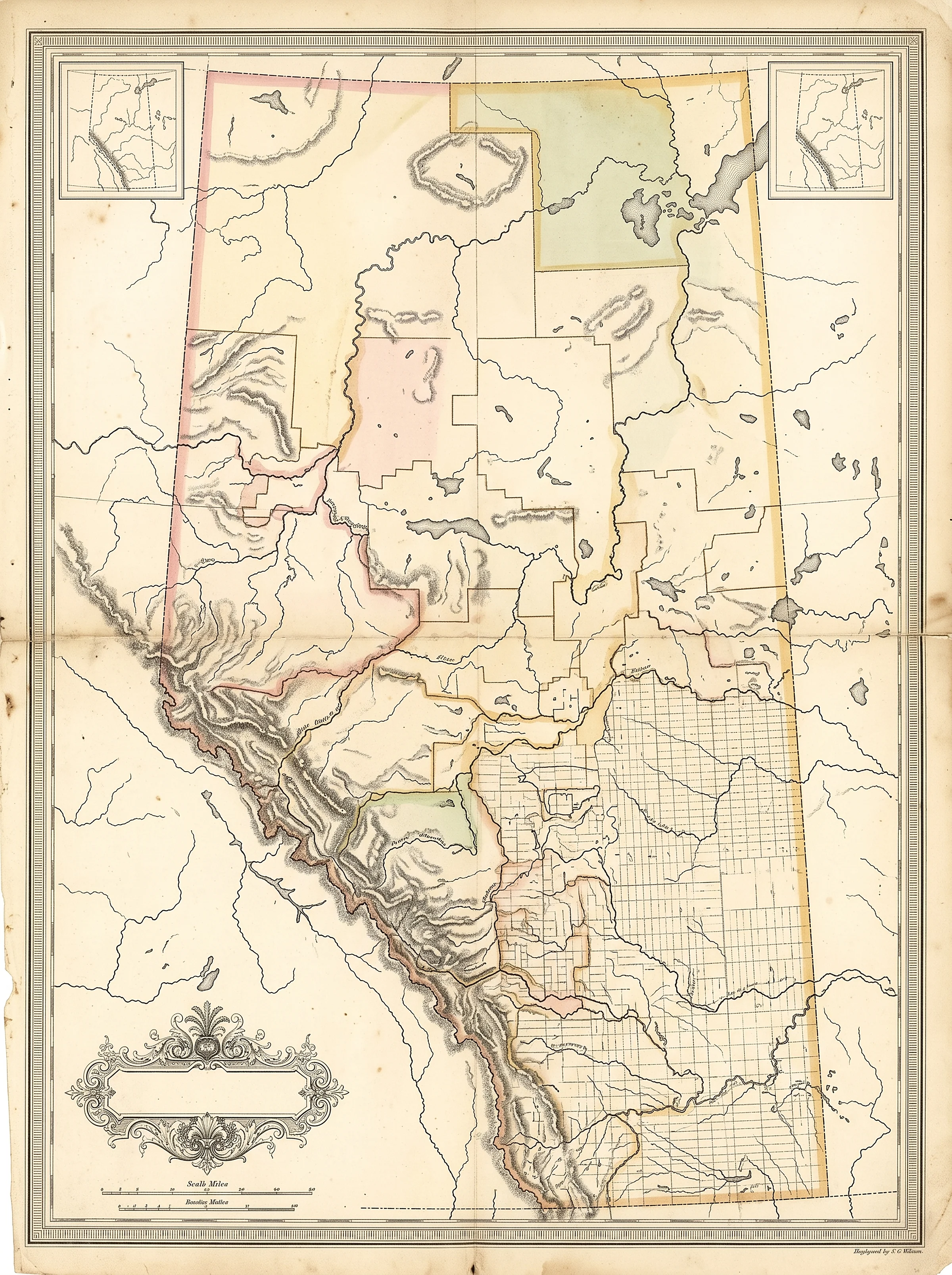
EIGHT STEPS FROM GRASS TO GRILL

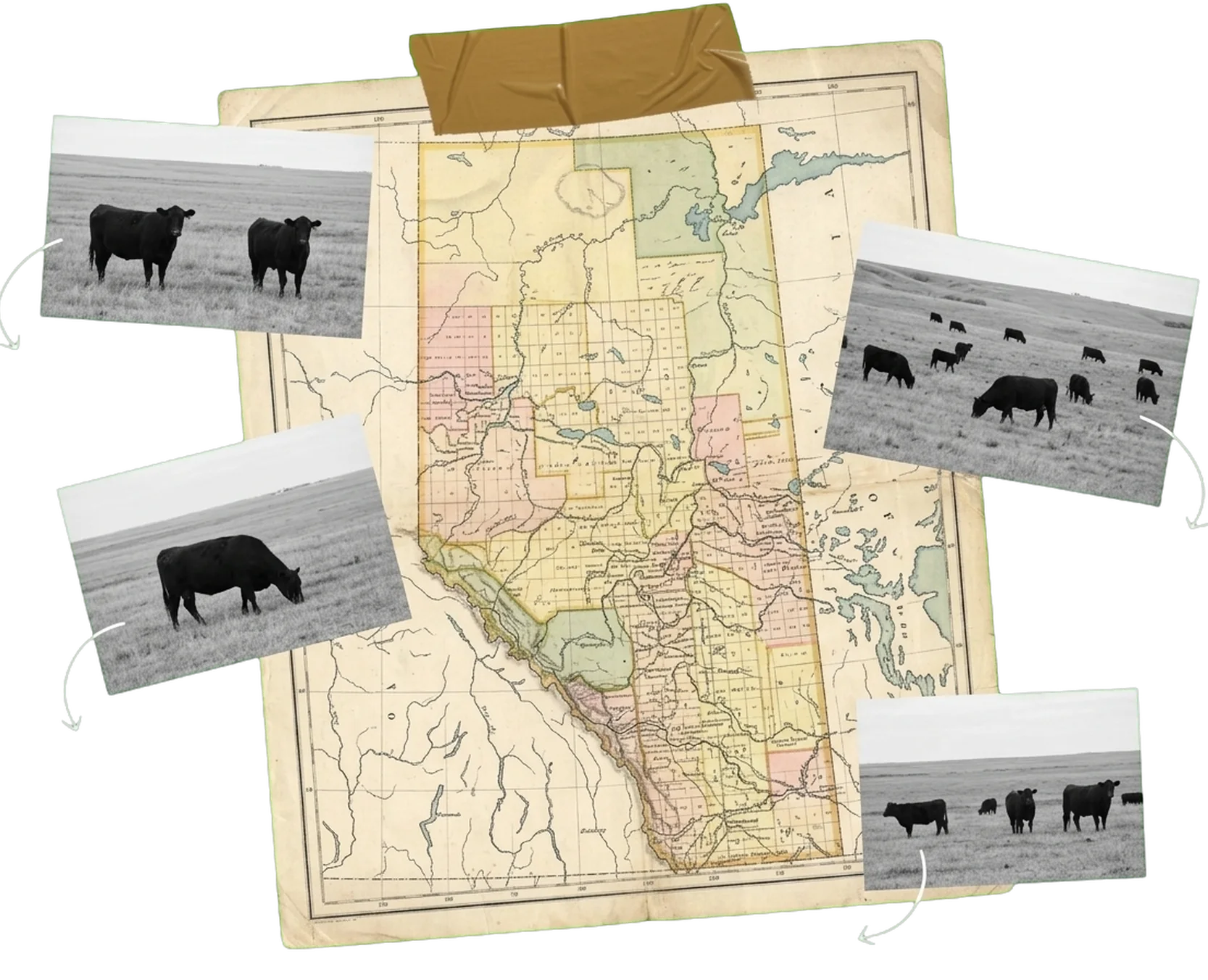
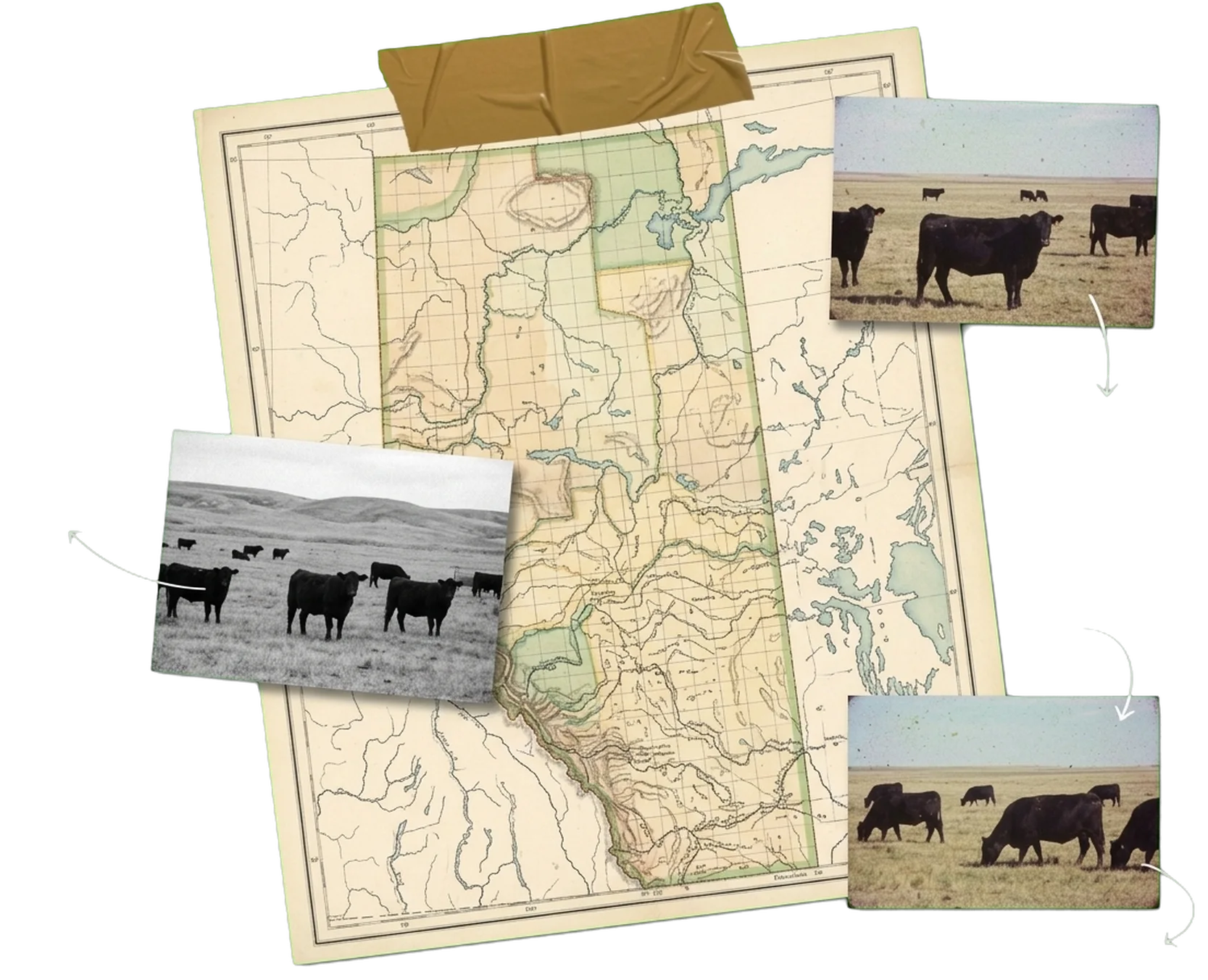
PASTURE TO PLATE
THE GRASS
- Grass is Alberta's first natural resource: it made Alberta beef famous long before the first gusher.
- Each spring we build a grazing plan around the animals, the pasture, and how long the grass needs to recover.
- A grass inventory tracks the forage across the ranch, so there's enough stockpiled to graze through winter.
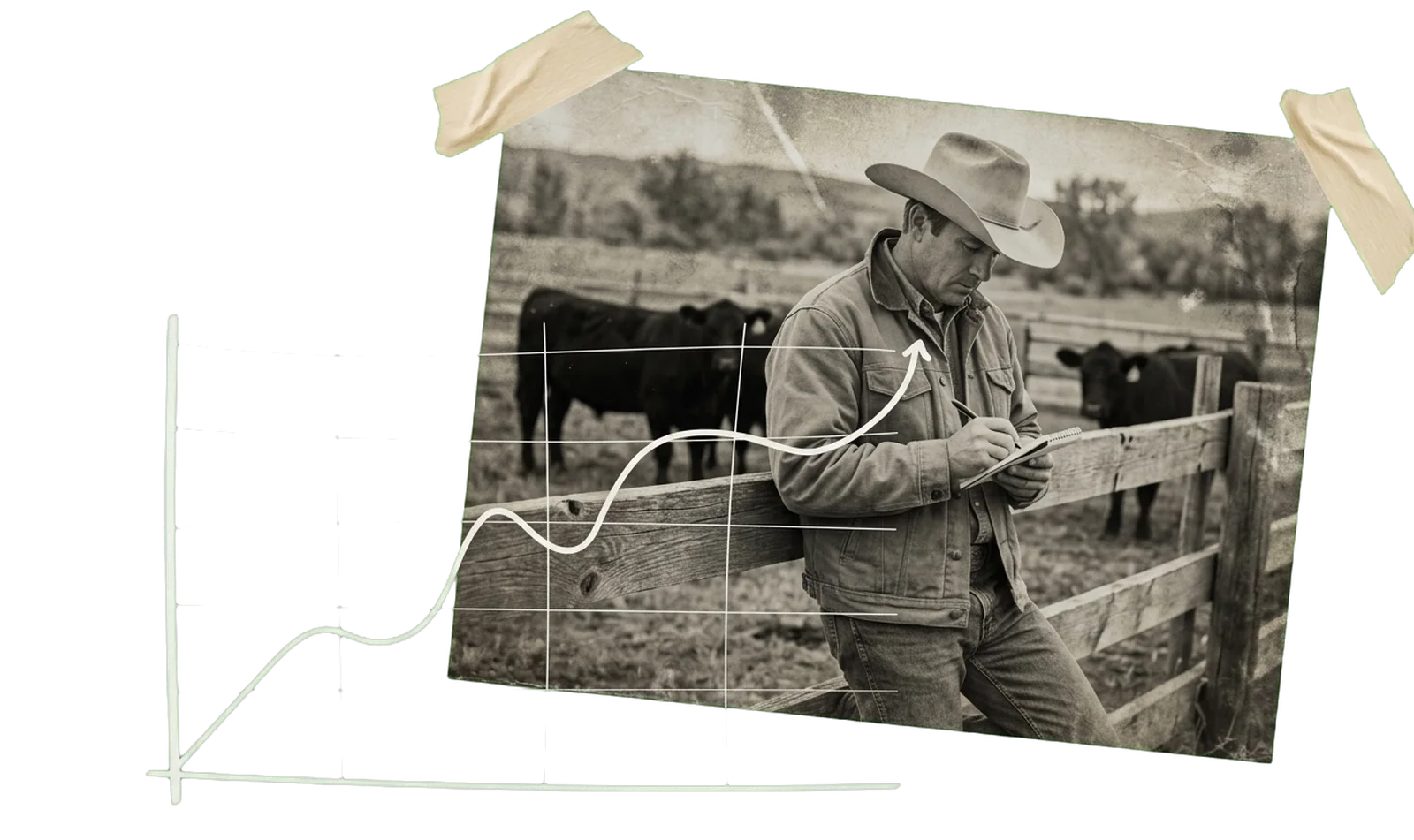
THE HERD
- Our herd is Lowline Angus: small cattle, about 900 lbs, fine-boned, with a fine-grained, tender beef.
- The mother cows graze almost year round and wean a big calf for their size.
- Cattle that turn sunlight, not fossil fuel, into food.
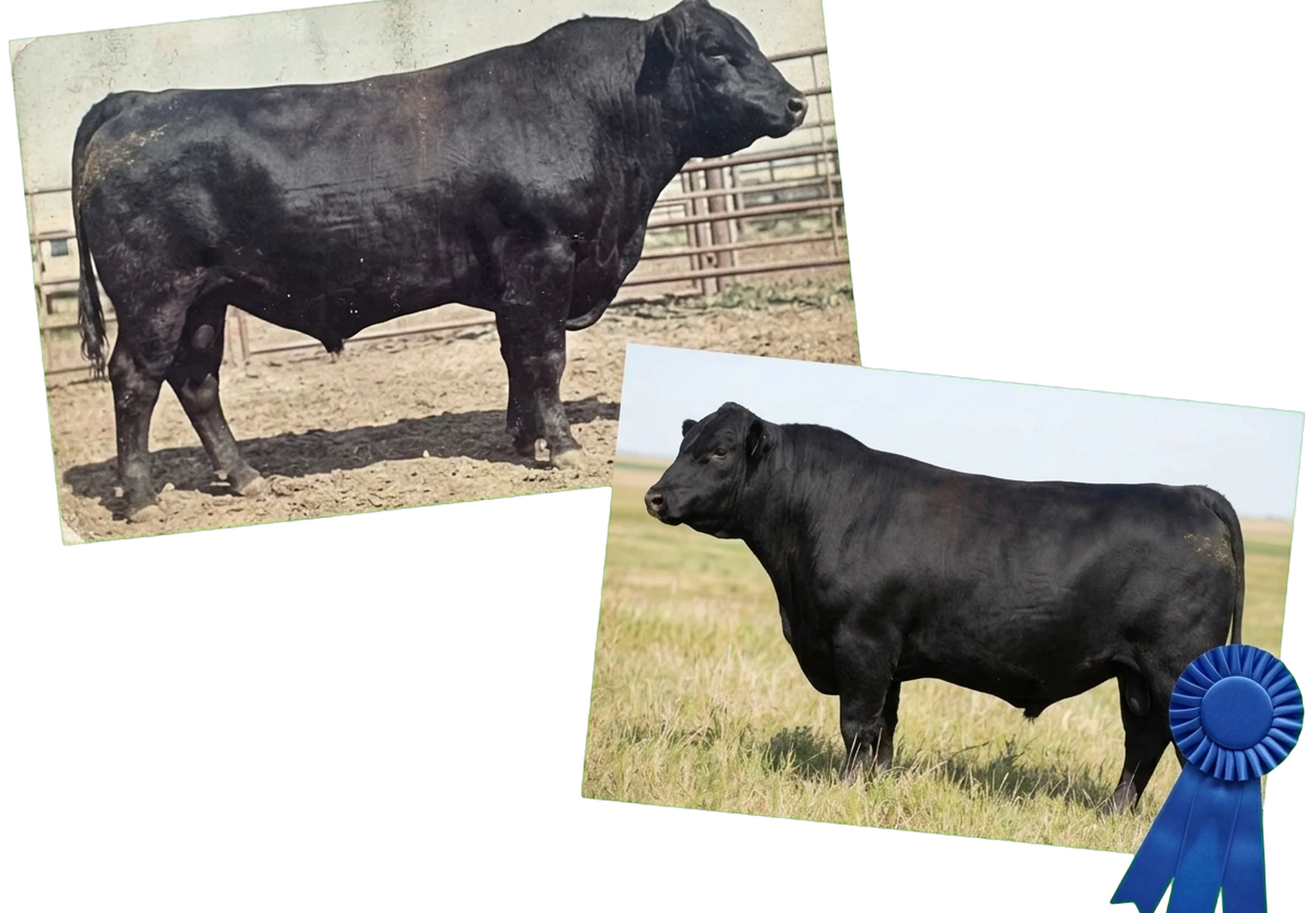
CALVING
- A cow needs the most energy six weeks after she calves, and the grass peaks on the longest day of the year, June 21.
- So we count back six weeks from the solstice and calve in mid-May. Almost no illness, and the cows recover fast.
AT MOM'S SIDE
- Our calves nurse longer than most: smaller cows can afford to let them nurse later into the season.
- A calf that grows up at its mother's side stays efficient for the rest of its time on the farm.
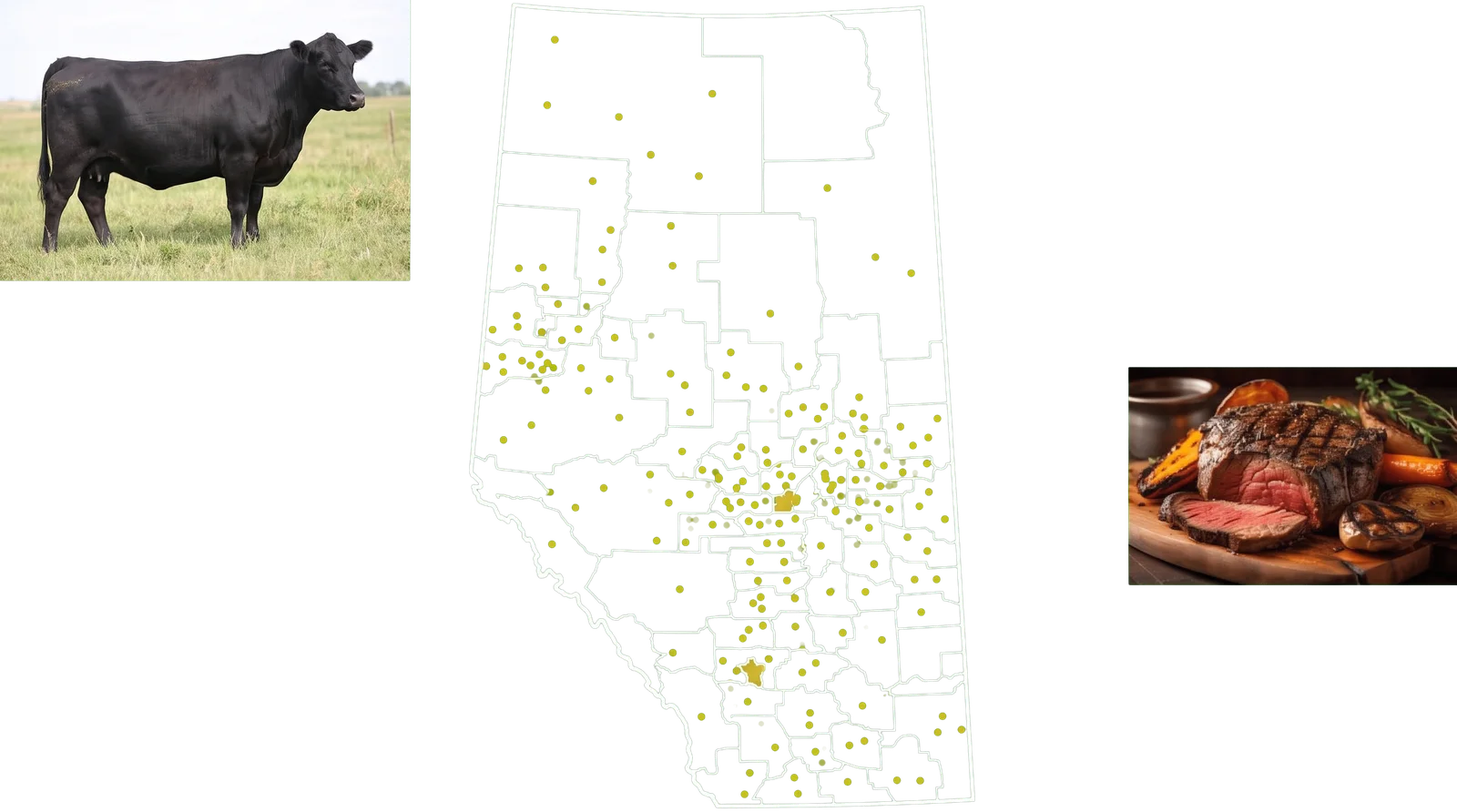
FRESH PASTURE
- The herd moves to fresh pasture every day, so nothing is overgrazed and the grass grows back.
- No synthetic fertilizer and no chemical sprays on the pasture or the hay land, ever.
- The grazing builds topsoil, fosters biodiversity and holds water against drought.
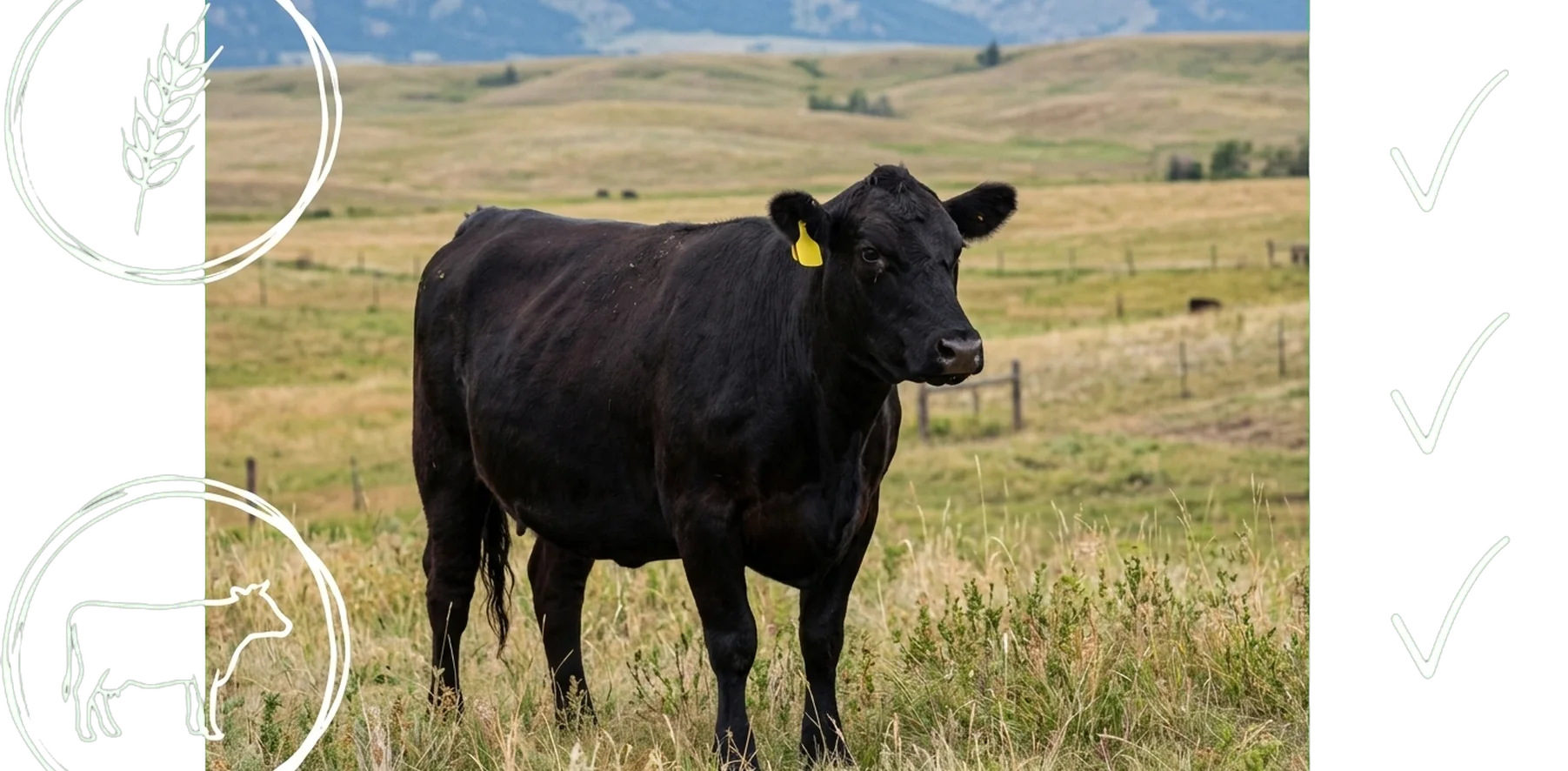
FINISHED ON GRASS
- No grain, no hormones, no growth promoters. The two-year-old steers fatten on nothing more than green growing grass, and we take our time: the herd answers to its shareholders, not the auction mart.
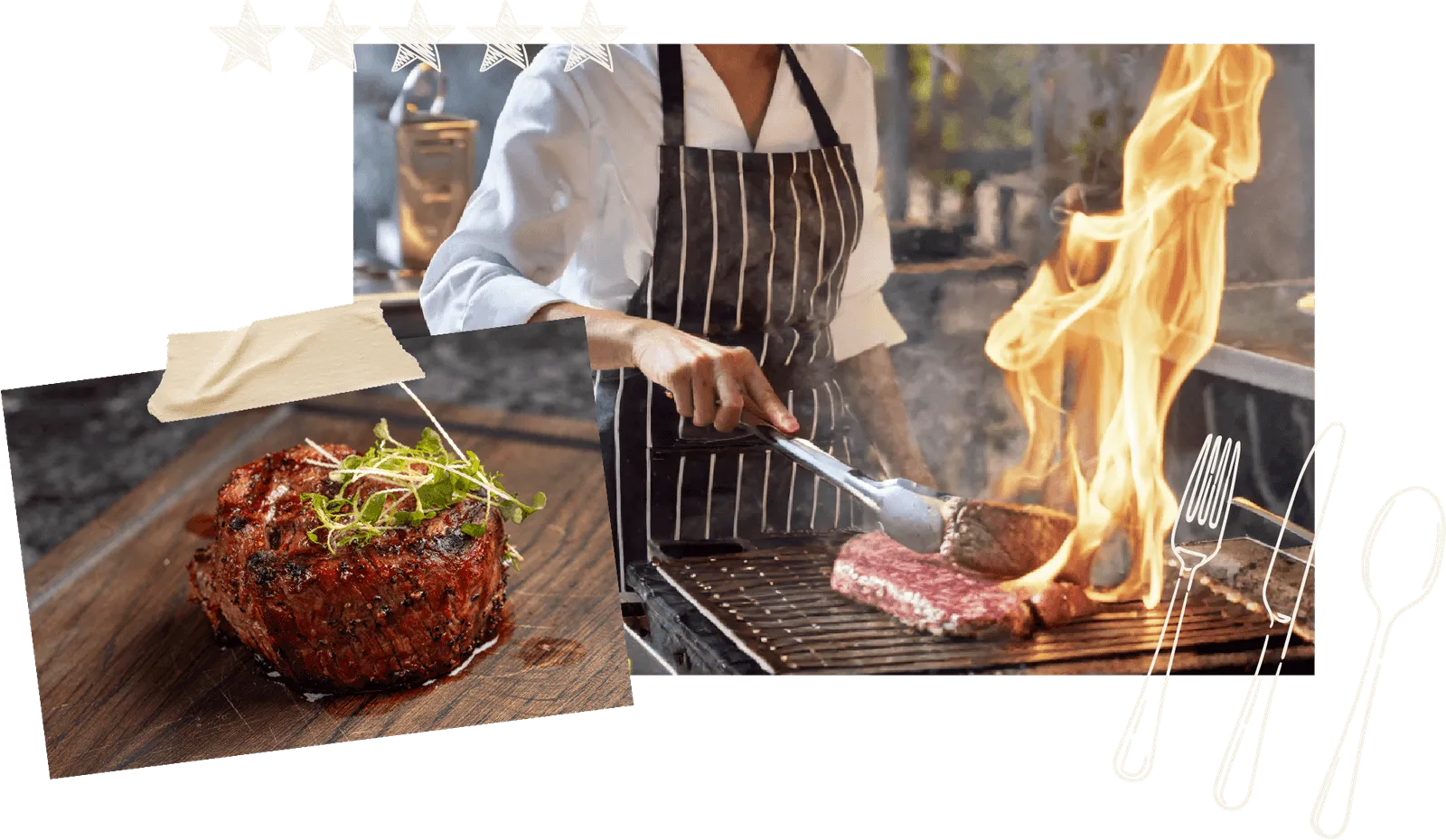
THE HARVEST
- In late fall the animals go to an Animal Welfare Approved abattoir.
- Low-stress handling the whole way, and a slaughter that dignifies the life that feeds your family.
- Cut and wrapped your way: the standard cut, or your own from the quarter up.
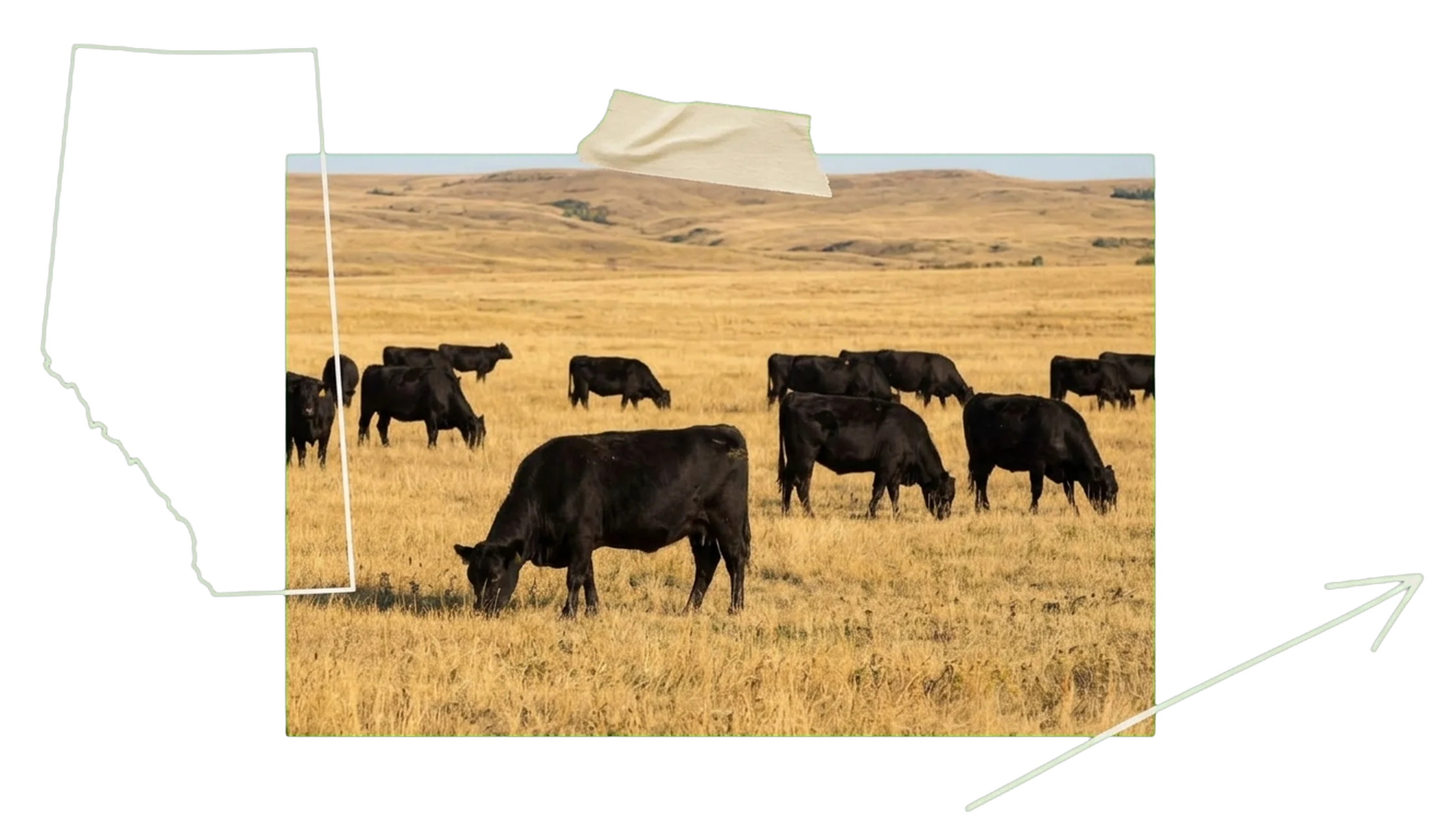
PICK-UP
- Beef is ready between October and December, when each animal is in prime condition.
- Pick up in Red Deer, Calgary, Canmore or Edmonton, and settle the balance once the final weight is in.
- Shareholders are welcome at the farm any time.

GOOD TO KNOW BEFORE YOU ORDER:
Every beef animal eats grasses, legumes and forbs for its whole life, with no grain or high-energy ration, ever. Iron Kreek is Certified Grassfed and Animal Welfare Approved by A Greener World.
Eighth beef: $575 deposit, about 63 to 80 lbs. Quarter: $1,125, about 125 to 160 lbs. Half: $2,250, about 250 to 325 lbs. Whole: $4,500, about 500 to 625 lbs. Half lamb: $150 deposit, a 20 to 30 lb box at $11 a pound.
British breeds like Angus were bred to fatten on forage and give a fine-grained, tender beef. Feedlots pushed cattle bigger and bigger; Lowlines stayed small, about 900 lbs, and the two-year-old steers still fatten beautifully on grass alone.
Beef is $7.50 a pound hanging weight, plus cutting and wrapping at about $1.50 a pound. The deposit covers most of it, and the balance is settled at pick-up once the final weight is in.
Choose Red Deer, Calgary, Canmore or Edmonton when you order. Questions? Call or text 403-352-0662 or email kev-rox@hotmail.com.
Raised on grass, finished on grass, picked up near you.